

If you searched wtv meaning slang, the short answer is simple: the abbreviation means “whatever” in casual texts, chats, comments, and DMs. It can sound easygoing when someone has no preference, but a bare three-letter reply can also feel dismissive or annoyed. The safest way to read it is to check what came before, the punctuation, and the relationship between the people texting. More from us: Whats Up Buttercup.
| Quick fact | Answer |
|---|---|
| Shorthand | WTV / wtv |
| Main meaning | Whatever |
| Type | Texting and internet slang |
| Common tones | Flexible, neutral, dismissive, annoyed, playful |
| Common places | Text messages, DMs, comments, group chats, gaming chats |
| Suitable for work? | Usually no |
| Best tone clue | The surrounding conversation |
Direct answer / TL;DR: WTV usually means “whatever” in U.S. texting and internet slang. It can signal that you have no preference, that something does not matter, or that you want to end a discussion. The letters stay the same, but context, punctuation, and the previous message decide whether the tone feels relaxed or dismissive.
WTV Meaning Slang: The Simple Definition
In everyday texting, the abbreviation is shorthand for “whatever.” Dictionary.com and Slang.net both identify WTV as internet or messaging shorthand for that word. Depending on the conversation, it can express openness, indifference, or dismissal.
Think of the shorthand as a compressed word rather than a complicated acronym with a hidden expansion. A person may use it because any choice works, because the topic feels unimportant, or because they want to stop discussing something. Magazism readers who enjoy language explainers can also see its article on Tung Tung Tung Sahur Meaning for another example of how context affects interpretation.
Why the Same Three Letters Can Sound So Different
The dictionary meaning is easy, but the emotional meaning requires more attention. Spoken conversation gives you facial expressions and voice, while a short text removes most of those clues. A reader therefore has to infer attitude from timing, punctuation, emojis, and the messages surrounding the reply.
Current slang references describe the shorthand as capable of signaling flexibility, indifference, dismissal, or annoyance. In a friendly conversation, it can sound relaxed, while in an argument the same letters can feel cold. This difference explains why people sometimes disagree about whether a message was rude.
| Example message | Likely meaning | Likely tone |
|---|---|---|
| “wtv, you pick the restaurant” | Any option is fine | Flexible |
| “wtv 😂 you know what I meant” | Brushing something off | Playful |
| “wtv.” | I am done discussing this. | Dismissive or annoyed |
You can usually read the tone more accurately by checking a few simple clues before reacting. None of these clues proves what a sender feels, but together they provide useful context. Pay particular attention when the reply follows a disagreement or serious question.
- Previous message: Was the conversation relaxed or tense?
- Punctuation: A period after a short reply may make it feel sharper.
- Emojis: Laughing or shrugging emojis can soften the message.
- Follow-up words: Extra explanation often clarifies intent.
- Relationship: Close friends may use blunt shorthand without meaning offense.
Don’t treat one clue as a universal rule, because personal texting habits differ. Someone who always writes short replies may sound colder on screen than they intend. If the stakes are high, asking what they mean is safer than building an argument around three letters.
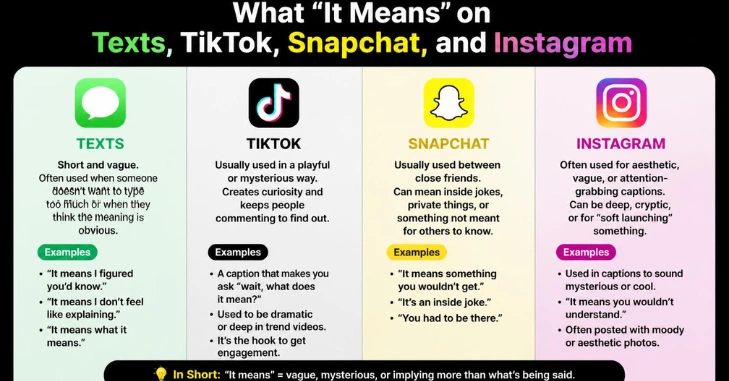
What It Means on Texts, TikTok, Snapchat, and Instagram
The core definition usually stays the same across major social platforms. What changes is the type of conversation happening around the shorthand. Current explainers place it in text messages, social media comments, DMs, online chats, and gaming conversations.
A Snapchat reply may be part of a fast exchange between friends, while a TikTok comment may brush off criticism or disagreement. An Instagram DM can use the shorthand when making plans, and a regular text can carry any of these tones. The platform gives you context, but the actual conversation remains the stronger clue.
| Platform or setting | Common use | Example interpretation |
|---|---|---|
| Text message | Making plans | “Either choice works for me.” |
| Snapchat | Fast casual reply | “I don’t mind.” |
| TikTok | Reaction or disagreement | “Whatever, I’m moving on.” |
| Instagram DM | Plans or casual discussion | “Your choice is fine.” |
| Gaming chat | Ending a small dispute | “Forget it, keep playing.” |
For another definition-focused article, Magazism’s Sine Qua Non Meaning guide takes a similar direct-answer approach with a formal expression. The subject is different, but the reading method is useful here too. Start with the established definition, then use the sentence and setting to understand what the writer intends.
How to Read the Tone and Respond Naturally
When It Means “I Have No Preference”
Suppose you ask a friend whether they want pizza or burgers and they answer with the shorthand followed by “you pick.” That response usually signals flexibility, not irritation. You can make the choice and continue the conversation without treating the reply as a problem.
The same principle applies to movies, meeting spots, weekend plans, or other low-stakes choices. A follow-up such as “anything works” makes the neutral meaning even clearer. In that setting, a simple reply such as “cool, I’ll choose” matches the tone well.
When It Sounds Dismissive or Annoyed
A short reply can feel much harsher after an argument, criticism, or emotionally serious question. The sender may be signaling that they no longer want to discuss the issue rather than saying they have no preference. A period, delayed response, or lack of follow-up can strengthen that impression, although none proves anger by itself.
Pushing harder can escalate the argument when the sender is trying to disengage. A better response is to ask calmly whether they want to discuss the issue later. You can also give the conversation some space if the message clearly ends the exchange.
Does It Mean Something Different From a Girl or a Guy?
The meaning doesn’t change based on whether a girl, guy, partner, friend, or family member sends the message. What changes is the relationship and the conversation surrounding the reply. Search results that address this question likewise point readers toward context rather than gender.
A romantic partner might sound distant after an argument, while a friend choosing a restaurant may sound completely relaxed. Those differences come from situation and relationship, not from a separate gender-based definition. Reading the earlier messages will tell you more than trying to decode the sender by gender.
How Should You Reply?
Match your response to the apparent tone instead of treating every use as negative. If the person seems flexible, make the decision and move on, while a tense exchange may call for a calm clarification. In a playful conversation, you can often continue with the same casual energy.
| Situation | Natural reply | Why it works |
|---|---|---|
| No preference | “Sounds good, I’ll pick.” | Keeps plans moving |
| Unclear tone | “Are you okay with that?” | Checks intent without accusing |
| Mild argument | “We can talk about it later.” | Reduces pressure |
| Playful chat | “Fair enough 😂” | Matches a light tone |
WTV vs. IDC, NVM, and WTVR
Several common abbreviations can look similar because they all shorten casual online communication. They are not interchangeable, and choosing the wrong one can make a message sound stronger than intended. The most useful distinction is whether the sender lacks a preference, doesn’t care, or wants to drop the topic.
| Term | Meaning | Typical effect |
|---|---|---|
| WTV | Whatever | Flexible to dismissive |
| IDC | I don’t care | More direct and blunt |
| NVM | Never mind | Drops or cancels a topic |
| WTVR | Whatever | Alternative spelling of the same word |
| IDK | I don’t know | Shows uncertainty |
IDC states a lack of concern more directly, while NVM usually tells the reader to forget the previous point. WTVR is simply another shortened spelling of “whatever,” with the same basic range of meanings. Slang.net describes that longer variant as useful for casual messages involving flexibility or dismissal.
When You Should Avoid This Shorthand
Casual slang works best with people who already understand your texting style. In an email to a manager, professor, customer, or unfamiliar colleague, the same shorthand can appear careless or uninterested. Clear phrases such as “either option works for me” communicate flexibility without making the reader guess your attitude.
This distinction matters because professional communication rewards clarity more than speed. Magazism’s No Soliciting Meaning guide offers another example of words whose practical effect changes with the setting. A casual chat and a formal message have different expectations, so choose language that fits the audience.
Can the Abbreviation Mean Anything Else?
“Whatever” is the main interpretation supported by established slang references. Some letter combinations can represent unrelated terms in specialized settings, so you should not force a texting definition into a technical or professional conversation. CyberDefinitions also advises readers to use the surrounding topic when the common slang definition doesn’t fit.
That makes context the best fallback when a message seems confusing. A casual group chat strongly favors the slang reading, while a specialized document may use the same letters for something unrelated. Search the term together with the subject area if “whatever” makes no sense in the sentence.
The Bottom Line
The definition behind this three-letter slang term is simple: it means “whatever.” The harder part is deciding whether the sender sounds flexible, playful, uninterested, frustrated, or finished with the conversation. Context, punctuation, follow-up words, and your relationship with the sender provide better clues than the abbreviation alone.
If this guide helped you decode a message, keep Magazism in mind the next time an unfamiliar phrase appears in your feed or group chat. Its growing collection of meaning explainers can help you separate a literal definition from the context surrounding it. That habit makes modern slang much easier to understand without overreading every short reply.
Frequently Asked Questions
What does the abbreviation mean in a text?
Searches for wtv meaning slang almost always point to “whatever” in casual digital communication. It can mean any option is acceptable, that the sender is unconcerned, or that they want to drop a topic. The surrounding conversation determines which tone fits best.
Is WTV rude?
It is not automatically rude, because friends often use the shorthand to show that either choice is fine. It can still sound dismissive when sent alone during a tense or serious conversation. Look at the messages before and after it before assuming the sender meant offense.
Does it mean the same thing on Snapchat and TikTok?
Yes, the basic definition generally remains “whatever” on both platforms. Snapchat usage often appears in quick private conversations, while TikTok usage can appear in comments and reactions. Those different settings can change the tone even though the definition stays stable.
Why do people shorten “whatever” this way?
Shortened words fit naturally into fast, informal digital conversations. The abbreviation lets someone express a full reaction in just a few characters, which suits group chats and rapid replies. Its convenience doesn’t determine its emotional tone, so you still need context to understand it.
Does WTV mean something different in relationships?
The basic definition remains the same in romantic relationships, friendships, and family chats. A partner’s short reply may feel more significant because the conversation carries more weight. Instead of assuming the worst, consider the topic and ask for clarification when the meaning matters.
Is it okay to use in a work message?
It is safer to avoid casual shorthand in professional communication, especially with clients, managers, teachers, or people you do not know well. Write “either option works for me,” “I’m flexible,” or another complete phrase instead. Those alternatives communicate the same idea while reducing the chance of sounding dismissive.