
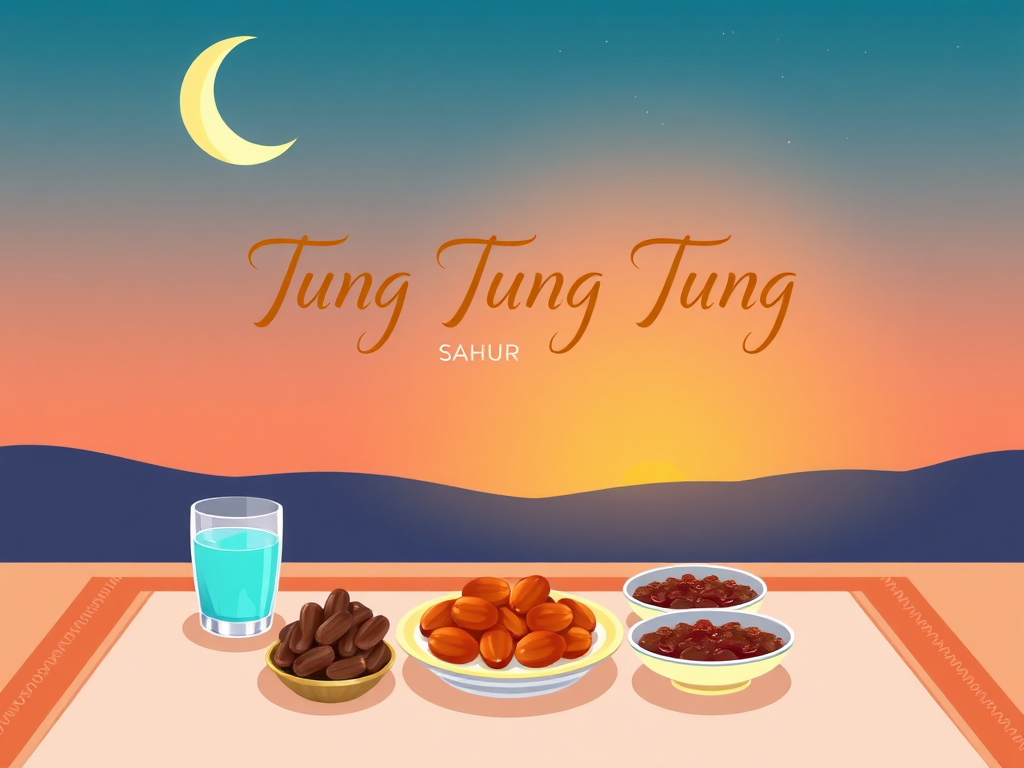
During the holy month of Ramadan, Muslim communities worldwide observe fasting from dawn until sunset. One of the most important elements of this daily practice is the pre-dawn meal known as sahur. Among the many cultural expressions associated with sahur, the phrase “tung tung tung sahur” has become increasingly popular in several regions, especially in Indonesia and Malaysia. But what exactly does tung tung tung sahur meaning encompass? In this article, we will explore the origins, cultural importance, and contemporary relevance of this intriguing phrase. There is more on this in No Soliciting Meaning.
What is Sahur?
Sahur is the pre-dawn meal Muslims consume before beginning their daily fast during Ramadan. It plays a significant role in sustaining the body throughout the day before iftar—the meal to break the fast after sunset. Sahur is not simply a meal but a ritual filled with spiritual and social significance. Eating sahur is encouraged in Islamic tradition, and the Prophet Muhammad emphasized its importance by calling it a blessing.
Breaking Down “Tung Tung Tung Sahur”: The Phrase Explained
The phrase tung tung tung sahur emerges primarily from Indonesian and Malay cultural contexts. The repetition of “tung” mimics the distinct rhythmic sound of traditional musical instruments or drums commonly used to wake people up before dawn during Ramadan. This has historically been a practical way to signal the start of sahur, especially before widespread electric alarms or mobile phones.
In this sense, tung tung tung sahur meaning relates to the sound or call for sahur. The “tung tung tung” is onomatopoeic, imitating the beat of drums or gongs traditionally played in neighborhoods or villages to wake the community members. This sound heralds the approaching time to partake in sahur before the fast commences at dawn.
The Cultural Significance of Tung Tung Tung Sahur
In countries like Indonesia, Malaysia, and parts of Southern Thailand and the Philippines, the tradition of waking people for sahur using drums, bells, or other noisemakers dates back centuries. Before modern technology became commonplace, people depended on these auditory cues to know when it was time to eat their pre-dawn meal.
The call to sahur is often a communal experience. Drummers or designated individuals, sometimes called “sahur runners,” would walk or cycle through neighborhoods beating drums or other percussion instruments while chanting or shouting phrases like “tung tung tung sahur!” This activity strengthens social ties and instills a collective sense of participation during Ramadan.
Moreover, the lively and rhythmic nature of the sound reflects the joyous atmosphere that accompanies Ramadan, a time for spiritual reflection and togetherness. The phrase “tung tung tung sahur” is not just a practical wake-up call but also a festive reminder of the sacred time of fasting.
The Evolution of Tung Tung Tung Sahur in Modern Times
With the advent of modern technology such as alarms and smartphones, the traditional practice of waking people up for sahur by drumming has diminished in many urban areas. However, in rural communities and in cultural celebrations, the practice remains alive, preserving a valuable aspect of Ramadan heritage.
Interestingly, the phrase tung tung tung sahur has also found its way into popular media and culture. It appears in Ramadan-related songs, videos, and social media posts, helping younger generations reconnect with their cultural roots. The phrase is often used humorously or nostalgically, reminding people of the traditional sahur wake-up calls they used to hear from their neighborhood drummers.
How Tung Tung Tung Sahur Promotes Community Spirit
Beyond the practical aspects, the tradition encapsulated in “tung tung tung sahur” represents a collective effort to observe Ramadan. It fosters a shared experience, where community members support one another in fulfilling their religious duties.
In some regions, sahur drums have also been used as a charitable gesture, where drums are beaten in poor or remote areas to ensure nobody misses their sahur meal, especially children or the elderly. This highlights the social solidarity during Ramadan, where compassion and care are central values.
Other Regional Variations of Sahur Calling Traditions
While “tung tung tung sahur” is common in Southeast Asia, other Muslim communities use different calling methods. For example, in parts of the Middle East and North Africa, the call to prayer (adhan) played early in the morning serves as a cue for sahur. In some areas, drummers or town criers have also been used historically to summon people for sahur.
This diversity of methods illustrates the universal importance of sahur, alongside the beautiful cultural expressions shaped by local customs and traditions. Thus, understanding the tung tung tung sahur meaning gives us insight into how Ramadan rituals adapt to various cultural contexts.
Conclusion
The phrase tung tung tung sahur meaning is more than just a string of words—it embodies a rich tradition that combines sound, community, spirituality, and cultural identity. Originating as an auditory signal to wake people for sahur, it has become a beloved expression tied to the festive and communal aspects of Ramadan in Southeast Asia.
While modern conveniences have changed how sahur is observed, the essence of the tradition lives on in this vibrant phrase, reminding Muslims of the shared journey through fasting, self-discipline, and togetherness during the holy month. Whether heard through the beats of drums or via social media and pop culture, “tung tung tung sahur” continues to resonate deeply within the hearts of those who celebrate Ramadan.
Understanding the meaning and significance behind “tung tung tung sahur” enriches our appreciation for the diverse ways Muslims around the globe honor their faith and culture during Ramadan.
Please visit Our ” Featured ” category.