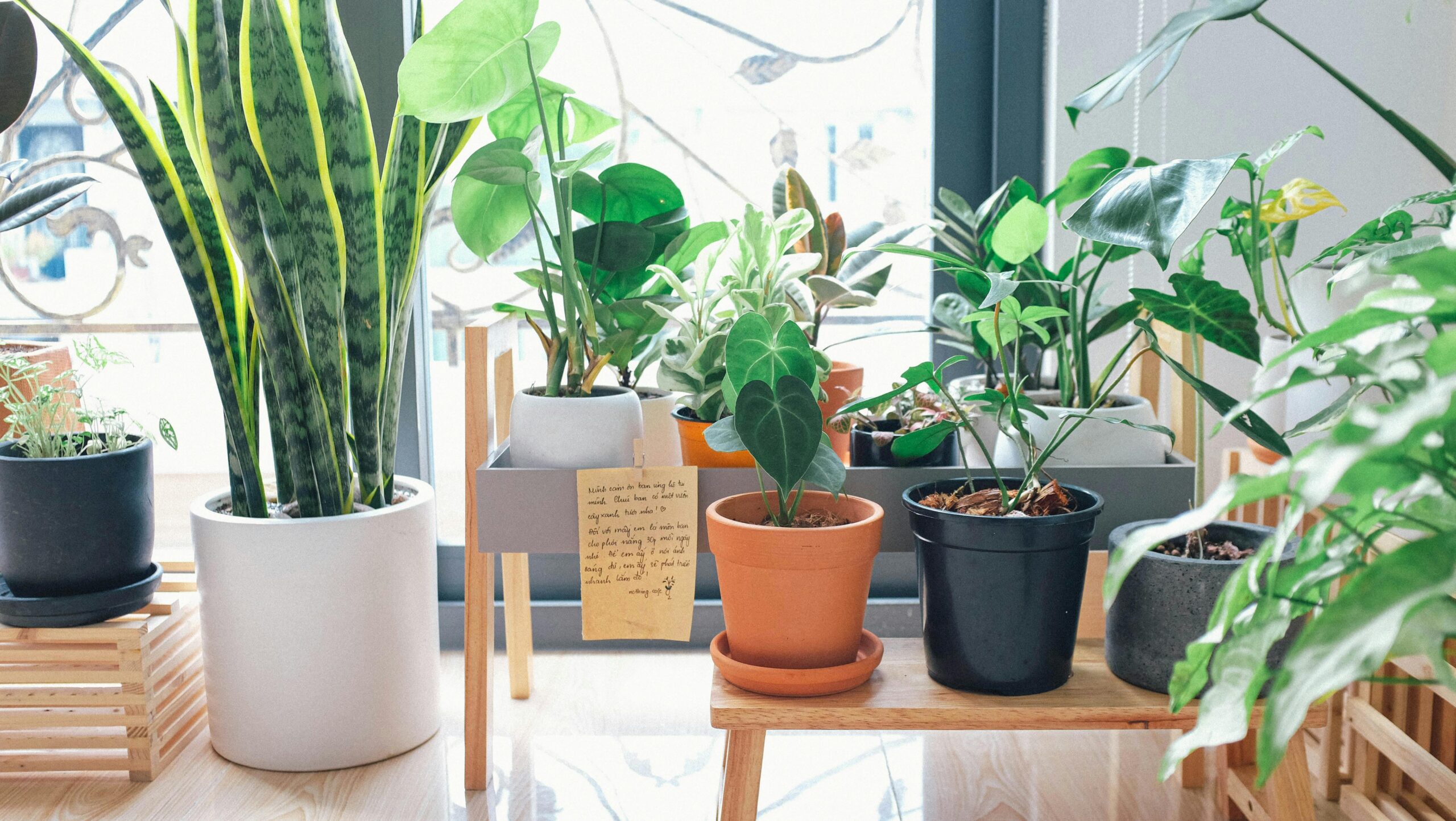
Indoor plants bring life, color, and cleaner air into our homes. However, one of the most important factors for keeping them healthy is proper lighting. Because indoor environments rarely provide the same conditions as natural outdoor sunlight, understanding how light works for houseplants can make the difference between thriving greenery and struggling plants. Here are ten essential tips to help you provide the right lighting for your indoor plants.
1. Understand Your Plant’s Light Requirements
Different plants require different levels of light. Some plants, such as succulents and cacti, need bright direct sunlight, while others like snake plants and pothos can tolerate low light. Before placing a plant indoors, learn whether it prefers low, medium, or bright light.
2. Observe Natural Light in Your Home
Not all rooms receive the same amount of sunlight. South‑facing windows typically provide the most consistent light, while north‑facing windows offer softer, indirect light. Spend time observing how sunlight moves through your home during the day so you can choose the best location for each plant.
3. Use Sheer Curtains for Light Control
Direct sunlight can sometimes be too strong for delicate plants. Sheer curtains help diffuse intense light and create a gentle environment that many tropical houseplants prefer.
4. Rotate Your Plants Regularly
Plants naturally grow toward the light source. Rotating your plants every week or two ensures that all sides receive equal light, helping them grow evenly and preventing leaning or uneven growth.
5. Keep Windows Clean
Dust and dirt on windows can reduce the amount of sunlight reaching your plants. Cleaning windows regularly allows more natural light to enter the room and reach your plants.
6. Use Grow Lights When Necessary
If your home lacks sufficient natural light, artificial grow lights can be an excellent solution. LED grow lights are energy‑efficient and can provide the full spectrum of light plants need for photosynthesis.
7. Adjust Lighting Seasonally
Sunlight intensity and duration change throughout the year. A plant that receives perfect light in summer might need to be moved closer to a window during winter months when daylight hours are shorter.
8. Watch for Signs of Too Much or Too Little Light
Plants communicate through their leaves. Yellowing leaves, slow growth, or leggy stems may indicate insufficient light, while scorched or faded leaves could mean the plant is receiving too much direct sun.
9. Group Plants with Similar Light Needs
Keeping plants with similar light requirements together makes it easier to manage their care. This also allows you to create visually pleasing plant arrangements while maintaining healthy growing conditions.
10. Be Patient and Adjust Gradually
Plants need time to adapt to new lighting conditions. If you move a plant to a brighter spot, do so gradually to avoid shock. Monitor how it responds and adjust its placement as needed.
Lighting Requirements for ZZ Plant and Snake Plant
Lighting Requirements for ZZ Plant and Snake Plant When choosing indoor plants, ZZ plants (Zamioculcas zamiifolia) and snake plants (Sansevieria or Dracaena trifasciata) are among the most popular options because of their resilience and ability to adapt to different lighting conditions. Although both plants are known for tolerating low light, understanding their ideal lighting needs helps them grow healthier and maintain their attractive appearance.
ZZ Plant Lighting Needs
The ZZ plant is famous for its ability to survive in indoor low‑light environments, making the ZZ plant an ideal indoor low light plant for offices, apartments, and rooms with limited natural sunlight. It performs best in bright, indirect light, where it can grow faster and produce healthier foliage. However, it can also tolerate low light conditions for extended periods.
Direct sunlight should generally be avoided because it can scorch the plant’s glossy leaves. If placed near a sunny window, a filtered or indirect light source is preferable. In very low light, the ZZ plant will survive but its growth will slow significantly. Rotating the plant occasionally can also help ensure balanced growth.
Snake Plant Lighting Needs
Snake plants are extremely adaptable and can thrive in a wide range of lighting conditions. They grow best in moderate to bright indirect light, but they can also tolerate low‑light environments, making them one of the easiest indoor plants to maintain.
While snake plants can handle some direct sunlight, especially in the morning, prolonged intense afternoon sun may cause leaf damage or discoloration. In brighter light conditions, snake plants tend to grow faster and develop stronger, more vibrant leaves. In darker areas, their growth slows but the plant typically remains healthy.
Summary
Both ZZ plants and snake plants are excellent choices for indoor spaces with limited sunlight. While they can tolerate low light, they perform best in bright, indirect lighting. Providing the right amount of light encourages stronger growth, healthier leaves, and a longer lifespan for these hardy houseplants.
Conclusion
Proper lighting is essential for healthy indoor plants. By understanding your plants’ needs, observing the light in your home, and making small adjustments when necessary, you can create an indoor environment where your plants not only survive but truly thrive.
Apart from that, if you want to know more about Regular Plumbing Maintenance: Essential Tips for a Trouble-Free System then visit our Home improvement category.