Mold is more than just an unsightly problem in homes; it can pose serious health risks to occupants. Understanding how mold affects human health and why Mold Inspection is crucial can help you protect yourself and your loved ones. This blog will delve into the health impacts of mold exposure, symptoms to watch for, and the significance of regular mold inspections.
How Does Mold Affect Human Health?
Mold produces spores that can become airborne and spread throughout a home. When these spores are inhaled, they can trigger a variety of health issues, particularly for individuals who are sensitive or allergic to mold. Here’s a closer look at the health impacts of mold exposure:
Respiratory Problems
Inhaling mold spores can lead to respiratory issues such as coughing, wheezing, and difficulty breathing. People with asthma or other pre-existing respiratory conditions are at an increased risk of suffering from mold-related complications. Mold exposure can aggravate these conditions, leading to more frequent or severe asthma attacks.
Allergic Reactions
Many people are allergic to mold, and exposure can cause symptoms similar to other allergic reactions. These may include sneezing, runny or stuffy nose, itchy eyes, and skin rashes. For those with severe mold allergies, exposure can lead to more serious reactions, including swelling and difficulty breathing.
Mycotoxin Exposure
Certain types of mold produce mycotoxins, which are toxic substances that can be harmful when inhaled or ingested. Mycotoxins can lead to more severe health issues such as chronic fatigue, headaches, and even neurological symptoms. Long-term exposure to mycotoxins has been linked to a variety of health conditions, including memory loss and mood disorders.
At-Risk Groups
While mold can affect anyone, certain groups are more vulnerable to its health impacts:
- Children: Their immune systems are still developing, making them more susceptible to respiratory issues and allergic reactions.
- Elderly Individuals: Older adults often have weakened immune systems, making them more prone to mold-related health problems.
- People with Allergies or Asthma: Those already dealing with respiratory conditions are at higher risk of exacerbated symptoms.
- Individuals with Weakened Immune Systems: People undergoing treatments like chemotherapy or taking immunosuppressive drugs are more vulnerable.
The Importance of Mold Inspection
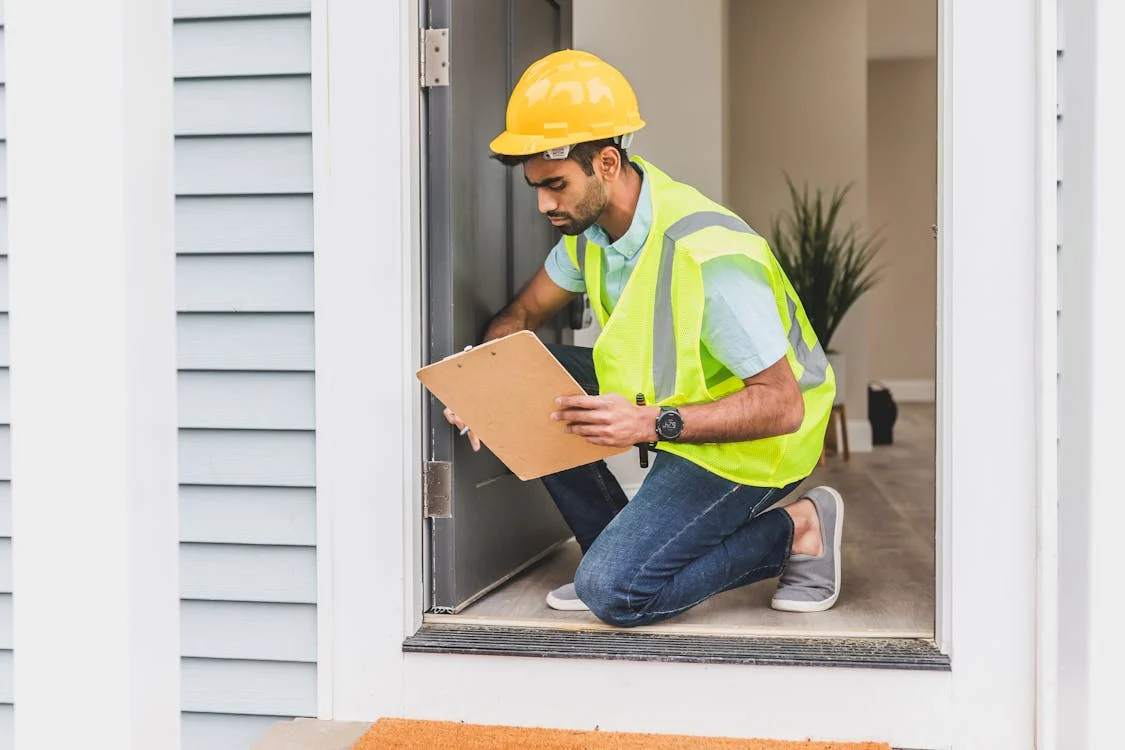
A Mold Inspection is an essential step in protecting your health and home. Unlike visual checks, which might miss hidden mold colonies, a professional mold inspection uses specialized tools to detect mold growth in areas that are not visible. Here’s why a mold inspection is crucial:
Identifying Hidden Mold
Mold can grow in hidden areas such as behind walls, under carpets, and inside HVAC systems. A thorough inspection can identify these hidden sources, ensuring that all mold issues are addressed promptly.
Assessing Health Risks
Mold inspections help identify the type of mold present in your home. Some molds produce mycotoxins that can be harmful to health. Knowing the type of mold can guide appropriate remediation and prevent further exposure.
Preventing Long-Term Damage
Mold growth can weaken the structural integrity of your home, leading to costly repairs. Regular mold inspections can catch problems early, preventing extensive damage and maintaining your home’s value.
Signs That You Need a Mold Inspection
If you notice any of the following signs, it’s time to schedule a Mold Inspection:
- Persistent Musty Odor: A strong, earthy smell in your home is a common indicator of mold growth.
- Visible Mold Growth: Black, green, or white patches on walls, ceilings, or floors should be addressed immediately.
- Water Damage: Areas affected by leaks or flooding are prime locations for mold growth.
- Unexplained Health Issues: Respiratory problems, skin rashes, or allergy-like symptoms that worsen when you’re at home may signal mold exposure.
How to Reduce Mold Growth in Your Home
Taking preventive measures can significantly reduce the likelihood of mold growth in your home:
- Control Humidity: Keep indoor humidity levels below 50% with the help of dehumidifiers and air conditioners.
- Fix Leaks Promptly: Repair any plumbing or roof leaks as soon as they are detected to prevent water buildup.
- Improve Ventilation: Ensure your home is well-ventilated by using exhaust fans and opening windows to allow fresh air to circulate.
- Clean Regularly: Regular cleaning can help remove spores and prevent mold from taking hold.
Conclusion
Mold exposure can lead to a range of health issues, from mild allergic reactions to severe respiratory and neurological problems. Understanding how mold affects human health and the importance of a Mold Inspection can help you identify and mitigate risks early. By taking preventive measures and scheduling regular inspections, you can protect your home and ensure a healthier living environment for you and your loved ones. Don’t wait until it’s too late—take action today and keep your home mold-free.