
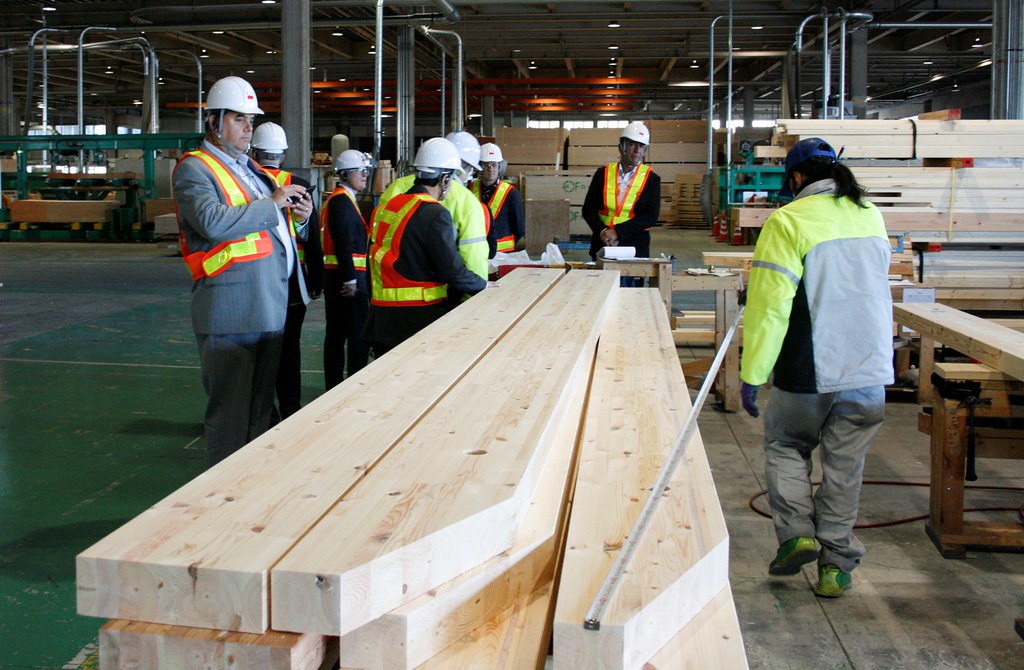
If you’re someone who loves the smell of fresh wood, the satisfying sound of a hammer hitting the nail, or the sense of accomplishment when a project finally comes together, you’re in the right place. Whether you’re building a simple bookshelf, creating a custom piece of furniture, or tackling something more ambitious, choosing the right wood components is essential to ensure your project not only looks great but stands the test of time. For those looking for high-quality options, partnering with a custom wood components manufacturer can provide tailored solutions that meet specific project requirements.
In this guide, we’ll walk through some key factors to consider when selecting wood for your DIY project. Let’s explore the different types of wood, their characteristics, and how to pick the perfect material for your next creation. Our guide to Asphalt Paving Companies in Alton, IL covers this in more detail.
1. Understanding the Basics of Wood
Before we jump into choosing the right wood for your project, it’s essential to understand the two major categories of wood: hardwood and softwood. You might be wondering, “Why does this matter?” Well, each type of wood has distinct properties, and understanding these differences will help you make an informed decision.
Hardwood vs. Softwood: What’s the Difference?
Despite the names, the hardness of the wood doesn’t solely define these categories. Hardwood comes from deciduous trees, which shed their leaves annually, while softwood comes from evergreen trees. Generally, hardwoods are more durable and dense, making them ideal for long-lasting furniture and structural components, while softwoods are lighter and often more workable.
- Hardwoods: Oak, maple, walnut, and mahogany are popular hardwoods used in furniture making and high-end projects. They offer durability, a rich texture, and the kind of beauty that only improves with time.
- Softwoods: Pine, cedar, and fir are examples of softwoods. These are commonly used in construction projects, shelving, and more casual DIY endeavors because they’re easy to cut, shape, and sand.
So, which one should you choose for your project? Let’s dig a little deeper.
2. Factors to Consider When Choosing Wood for DIY Projects
The right wood for your DIY project will depend on several factors. Let’s discuss what you should consider before making your selection.
Project Type and Functionality
The first thing to ask yourself is, “What am I building?” The type of project you’re working on will significantly influence your wood choice. Are you crafting a functional piece, like a table or chair, that will endure wear and tear? Or are you working on something more decorative, like a picture frame or shelving, where aesthetics take priority?
- Furniture: If you’re making a chair, table, or bed frame, hardwood is generally a better choice due to its strength and durability. Oak, for example, is resistant to dings and scratches, making it great for high-traffic areas.
- Shelves and Bookcases: Here, softwoods like pine can be a fantastic option. They are light, easy to cut, and more affordable, which is perfect for beginners or if you plan to paint the wood.
- Outdoor Projects: For outdoor projects, weather-resistant wood is key. Cedar and redwood are naturally resistant to moisture and decay, making them ideal for building garden furniture, decks, or outdoor benches.
Durability and Strength
Some DIY projects require wood that can withstand heavy use or support weight. Hardwoods like oak and maple are much stronger and denser than softwoods. This makes them excellent choices for structural projects, like building a desk or kitchen cabinets that will see daily use. On the other hand, if you’re crafting a picture frame or a decorative item, you may not need to prioritize strength as much.
Would you prefer to sacrifice a bit of durability for ease of use? If so, softwoods might be a good option. Pine, for example, is much easier to work with, but it’s more susceptible to dents and scratches.
Aesthetic Appeal
Let’s not forget about the beauty of wood! The natural grain, color, and texture of the wood will determine the final look of your project. Hardwoods like cherry, walnut, and mahogany boast beautiful, rich colors and textures that make them perfect for projects where appearance is paramount.
If you’re looking to stain or finish your project in a specific way, it’s important to choose a wood that will take to stain or paint evenly. For instance, oak stains beautifully, giving off a classic, timeless look. Pine, on the other hand, may require more preparation to achieve an even stain, though it paints exceptionally well.
Ask yourself: What kind of finish are you envisioning for your project? Is the natural beauty of the wood itself important, or will you be painting over it?
Read More: Best Outdoor Solar Lights in NZ: Essential Choices for Your Backyard
3. Common Types of Wood for DIY Projects
Now that we’ve discussed the major factors to consider, let’s go over some of the most common types of wood used in DIY projects and what they’re best suited for.
Oak
Strength and Durability: Oak is one of the most popular hardwoods due to its strength and durability. It’s a solid choice for furniture and flooring because it resists scratches and dents. Appearance: Its prominent grain pattern adds character and a natural rustic look. Best For: Furniture, flooring, cabinets.
Pine
Ease of Use: Pine is lightweight, soft, and easy to cut, which makes it great for beginners. Affordability: Pine is relatively inexpensive compared to hardwoods, which is a huge bonus if you’re working on a budget. Best For: Shelves, cabinets, decorative pieces, DIY beginner projects.
Cedar
Weather Resistance: Cedar is naturally resistant to moisture, making it perfect for outdoor projects. Aromatic: It has a lovely, natural scent, which is why it’s often used for storage projects like chests or closets. Best For: Outdoor furniture, fences, garden planters.
Maple
Durability: Maple is extremely durable and has a fine, consistent grain. Light Appearance: Its lighter color makes it versatile, as it can be stained or left natural to brighten up a room. Best For: Kitchen cabinets, tables, hardwood flooring.
Walnut
Luxury Look: Walnut is a dark, rich wood that exudes luxury. It’s often used in high-end furniture and cabinetry. Workability: It’s slightly softer than other hardwoods, making it a bit easier to work with. Best For: High-end furniture, decorative pieces, and luxury projects.
4. Sustainable Wood Choices
In today’s world, sustainability is a key consideration for many DIY enthusiasts. If you want to make sure that your project has a minimal environmental impact, look for wood that’s been certified by organizations like the Forest Stewardship Council (FSC). These woods are harvested from forests that are managed responsibly, ensuring that ecosystems are protected.
Some excellent sustainable wood choices include:
- Bamboo: Although technically a grass, bamboo is often used as a sustainable alternative to traditional wood.
- Reclaimed Wood: Using reclaimed wood not only gives your project a unique look but also helps reduce waste. This is a great option for DIY enthusiasts who want their projects to have a vintage, worn-in feel.
5. How to Work with Different Woods
Every wood type comes with its own quirks and challenges when it comes to crafting. For example, hardwoods like oak can be difficult to cut and shape, requiring sharper tools and more precise work. Softer woods, like pine, are much easier to work with but might require more finishing touches to avoid splinters and uneven surfaces.
Ready to Get Started?
When it comes to DIY projects, the choices can seem overwhelming, but with a bit of knowledge and guidance, you’ll find that picking the right wood can be one of the most rewarding parts of the process. Consider your project type, aesthetic preferences, and how much durability you need—and always have fun experimenting!
Now that we’ve covered the basics, let’s discuss—what kind of project are you thinking about tackling next? What wood are you leaning towards, and how do you want your final piece to look and feel? Let’s make sure your project turns out even better than you imagined.
Apart from that, if you want to know about Bring Nature to Your Home – Best Design Ideas then please visit our Home improvement Category.