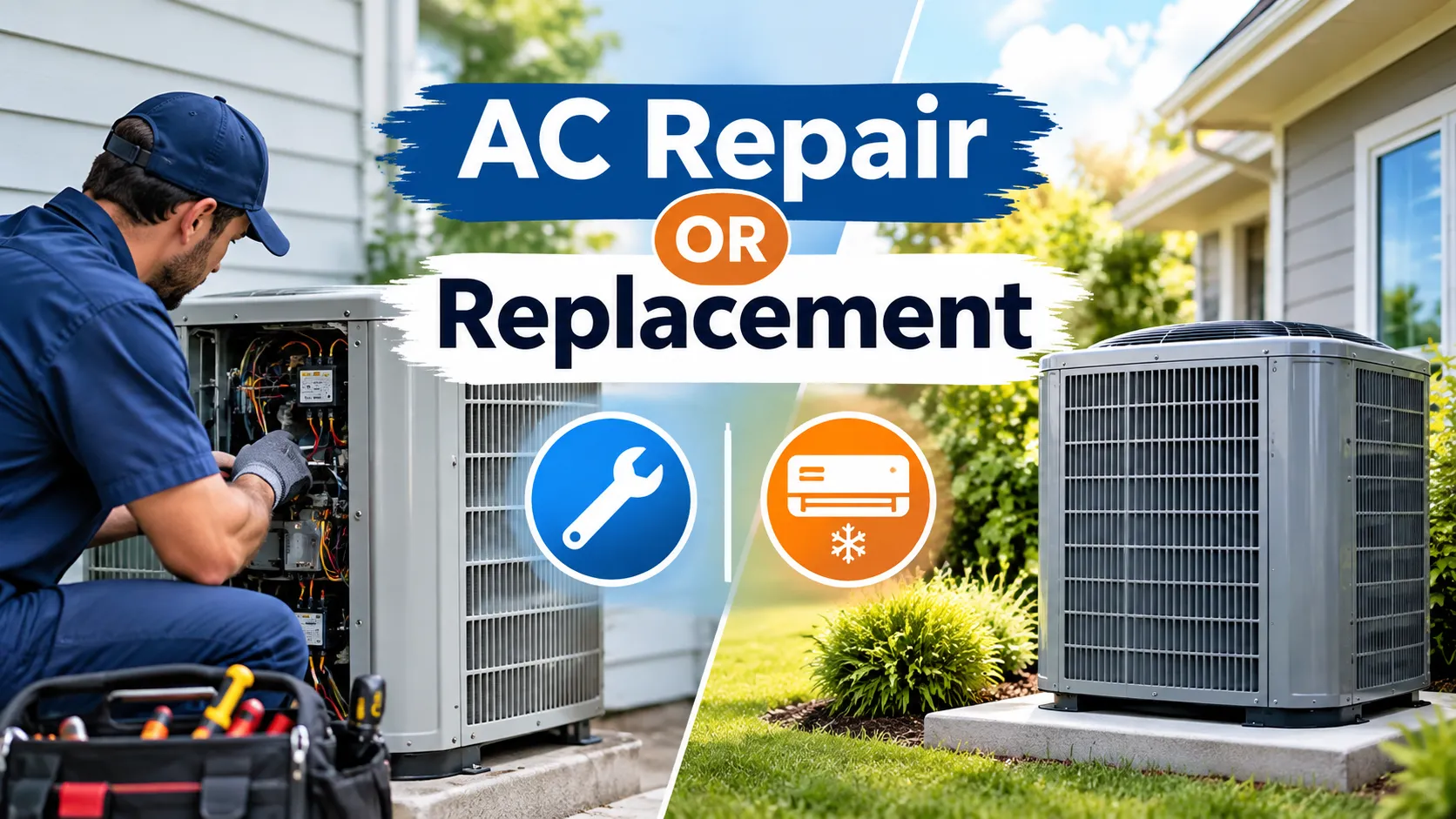
A reliable air conditioning system plays an important role in keeping your home comfortable during hot weather. However, every system eventually develops faults, loses efficiency, or becomes less effective. When that happens, homeowners must decide whether a repair is sufficient or whether replacing the system would be the more sensible long-term choice.
Choosing between repair and air conditioning installation and replacement depends on several factors, including the system’s age, condition, repair history, efficiency, and overall performance. A minor fault does not necessarily mean replacement is required, but recurring problems may indicate that the existing unit is no longer the best option for your home.
Consider The Age Of Your AC System
Age is an important factor when evaluating an air conditioner. As equipment gets older, individual components can experience normal wear, and maintaining reliable performance may become more difficult. An older system may also lack features available in newer equipment that can improve comfort and operational efficiency.
However, age alone should not determine the decision. If an older unit has been well maintained and continues to provide consistent cooling, a straightforward repair may still be worthwhile. When an ageing system begins requiring frequent repairs, air conditioning installation and replacement may be worth considering as a longer-term solution. Consider its overall condition alongside the cost and frequency of recent repairs before making a decision.
Look At The Cost And Frequency Of Repairs
One repair does not automatically mean that an air conditioner needs replacing. A relatively minor fault may be worthwhile to fix, particularly when the rest of the system is in good condition. In these circumstances, repairing the problem can extend the useful life of the equipment.
Repeated repairs are a different matter. If you are frequently paying for service calls or replacing different components, the costs can gradually increase. Before approving another major repair, consider whether the money would be better directed towards a replacement system that can provide more dependable long-term performance.
Watch For Declining Cooling Performance
An air conditioner that struggles to maintain a comfortable indoor temperature may need professional attention. Weak airflow, inconsistent temperatures, and unusually long operating cycles can all indicate that something is affecting the system’s performance.
If these issues continue after appropriate maintenance or repairs, replacement may deserve consideration. A new system can provide a practical solution when an existing unit has become unreliable or is no longer meeting the household’s cooling needs. A professional assessment can help determine whether the problem is repairable or whether replacement is more appropriate.
Pay Attention To Energy Use
Changes in energy consumption can provide useful clues about system performance. If cooling costs increase without a clear change in usage, the air conditioner may not be operating as effectively as it once did. However, energy use can also be influenced by weather, insulation, thermostat settings, and household habits.
For this reason, a higher energy bill should not automatically be treated as proof that the AC needs replacing. Instead, have the system inspected to identify possible causes. Improving airflow, correcting maintenance issues, or repairing a faulty component may restore performance without requiring a new unit.
Consider The Benefits Of Replacement
Replacing an air conditioner is a significant decision, so it is worth considering the broader benefits rather than focusing solely on the initial expense. A newer system may offer improved reliability, better temperature control, and features designed to support efficient operation.
Replacement may be worth discussing when:
- The system requires frequent repairs
- Cooling performance has noticeably declined
- Major components show signs of wear
- Operating costs have become a concern
- The existing equipment no longer meets your household’s needs
A qualified HVAC professional can assess the existing equipment and explain whether repairing or replacing it makes greater sense based on its condition.
Do Not Wait For A Complete Breakdown
Waiting until an air conditioner fails completely can leave homeowners dealing with an urgent problem, particularly during periods of extreme heat. Planning ahead provides more time to compare suitable options, understand installation requirements, and make a considered decision.
If your system is showing several warning signs, arrange a professional inspection before the problem becomes more serious. An experienced technician can identify the underlying issue and explain whether maintenance, repair, or replacement is the most appropriate course of action.
Conclusion
The decision to repair or replace an air conditioning system should be based on more than one factor. Age, repair frequency, cooling performance, energy use, and the condition of major components all deserve consideration. A professional assessment can help you avoid unnecessary repairs while ensuring that replacement is not recommended prematurely.
When an ageing system becomes unreliable or increasingly expensive to maintain, replacement may provide better long-term value. By addressing warning signs early and carefully evaluating the available options, homeowners can maintain dependable cooling and make a more informed investment in their home.