

Wills are full of old words, and this is one of the oldest. Attorneys still write the phrase “give, devise, and bequeath” into documents drafted last month, the same way they wrote it two centuries ago. The word has one narrow legal job. Knowing that job helps you read a will you have been handed, and write one that does what you actually meant.
Quick answer: To bequeath something is to leave personal property to a named person or organization through your will. The gift itself is called a bequest. It takes effect only after you die, only if the will is valid, and only if the property still belongs to you at that point.
TL;DR
- A bequest is a gift of personal property made in a will. A devise is the same idea for land and buildings.
- You give. Your beneficiary inherits. The two words sit on opposite ends of the same transfer.
- Bequests come in four shapes: specific, general, demonstrative, and residuary.
- Plain modern English works. No magic word is required in any state.
- Debts, funeral costs, and administration fees are paid before anyone receives a gift.
- The federal exclusion for 2026 is $15,000,000, so almost no family owes federal estate tax.
The vocabulary in one table
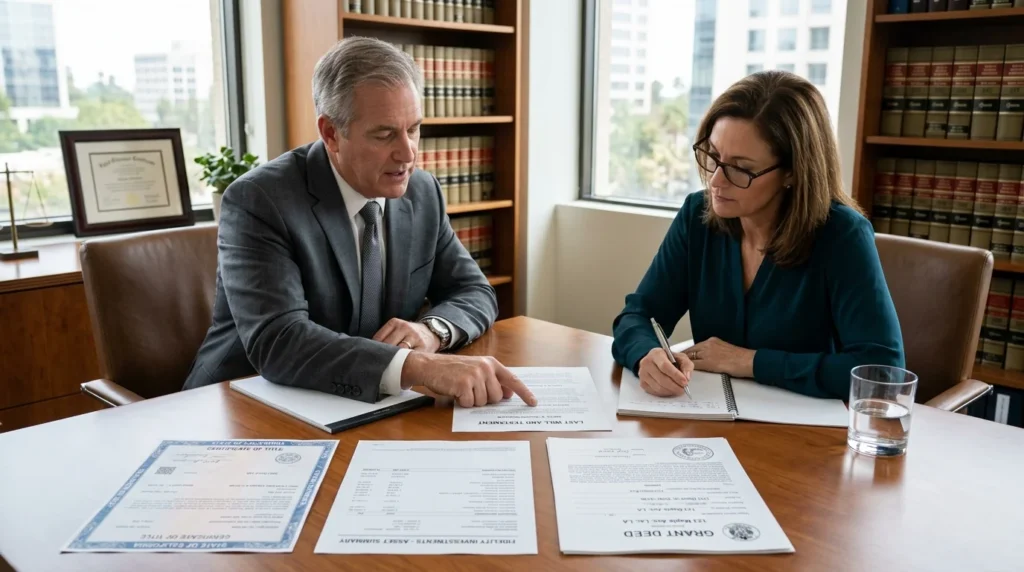
Five words are used as if they mean the same thing. They do not, and a probate court reads each one literally. Here is what each term actually does inside a will.
| Term | What it covers | Who is doing it | Example clause or use |
| Bequeathing | Personal property: money, jewelry, stock, a car, a coin collection | The person writing the will | “I give my grandfather’s watch to my niece, Dana Reyes.” |
| Bequest | The gift itself, not the Act of giving it | Named in the document | “A bequest of $10,000 to the county animal shelter.” |
| Devise | Real property: a house, a lot, farmland, a rental unit | The person writing the will | “I give my home at 14 Larch Street to my brother.” |
| Inherit | Receiving the property once the estate closes | The beneficiary or heir | “Dana inherited the watch in March 2026.” |
| Gift | A transfer made while you are still alive | The owner, right now | Handing over $19,000 this year with no tax filing |
Bequeath, devise, and inherit do different jobs
Two words exist for bequeath, because the law splits your assets in two. Personal property covers anything movable, plus intangible holdings like bank balances and shares. Real property means land and whatever sits attached to it, from the house down to the fence line.
That distinction matters. Real property carries a deed, a mortgage, a tax bill, and sometimes tenants holding a lease that outlives the owner who signed it. So a rental unit needs a devise clause naming the street address. “My investments” will not do. Plenty of owners put the property into a trust instead, so it is worth seeing how a will and a living trust can work together. Inheritance runs the other direction. You never inherit your own property to someone. Your daughter inherits; you leave. Court filings, tax forms, and family arguments all get easier once you use the words the way the file does.
The four types of bequests
Estate attorneys sort gifts into four buckets, and the bucket decides what happens when money runs short.
- Specific. One identified item. “My 2019 Subaru Outback.” If the car is gone at your death, the gift is gone with it.
- General. A stated amount paid from the estate as a whole. “$25,000 to my nephew.” Any dollars will do.
- Demonstrative. A stated amount drawn from a named source. “$25,000 from my Fidelity brokerage account.” If that account is empty, the estate usually pays from elsewhere.
- Residuary. Everything left after debts, taxes, and the other three categories are satisfied. This clause catches the assets you forgot, so no will should be without one.
Order matters when the estate runs thin. Specific gifts are protected first, residuary beneficiaries absorb the shortfall, and general cash gifts get trimmed in between. Picture a parent who leaves $50,000 to each of three children out of a $90,000 estate. Every check shrinks by a third.
What a will cannot reach

Here is the trap that surprises families most in the probate process. Several common assets pass outside the will entirely, which means the form sitting on file at the bank beats your carefully worded clause every single time.
- Life insurance and retirement accounts go to whoever is named on the beneficiary designation.
- Payable-on-death and transfer-on-death accounts go straight to the named recipient.
- Property held in joint tenancy with right of survivorship goes to the surviving owner.
- Anything already titled in a living trust is governed by the trust document.
An ex-spouse still listed on a 401(k) from 2004 will collect that account no matter what your will says. Review the forms whenever your family changes—ten minutes of checking beats a lawsuit between your children.
Debts and taxes come out first.
Your beneficiaries stand at the back of the line. The personal representative pays funeral expenses, final medical bills, administration costs, and creditors before distributing anything. Credit card balances, car loans, and personal loans all get presented against the estate. It helps to know which types of credit you are carrying and roughly what they total.
Federal tax worries far fewer families than the headlines suggest. According to the IRS, Revenue Procedure 2025-32 sets the basic exclusion amount at $15,000,000 for people who die during 2026. The 2025 figure was $13,990,000. Married couples can shelter double that through portability. About a dozen states run their own estate or death taxes at far lower thresholds, so check yours. One more point that catches people off guard: a beneficiary generally owes no income tax on what they receive. Inherited retirement accounts are the loud exception, because withdrawals are taxed as ordinary income.
When a gift quietly fails
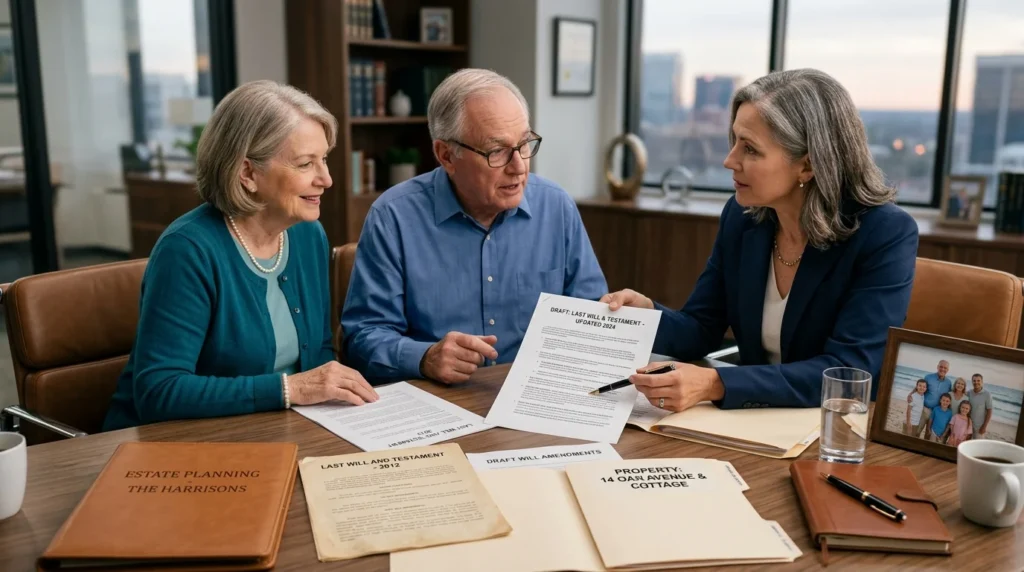
Three doctrines can erase a clause you spent real time writing.
- Ademption applies when a specific item no longer exists. Sell the Subaru in 2025, and the 2020 clause leaving it to your nephew evaporates. He gets nothing in its place unless you said so.
- Lapse applies when the beneficiary dies before you do. The gift falls back into the residuary estate.
- Anti-lapse statutes soften that result. Most states, following the Uniform Probate Code, redirect the gift to the deceased beneficiary’s descendants when that person was a close relative. Coverage varies by state, and friends are usually excluded. Naming a backup beneficiary in the clause itself is faster than hoping a statute covers you.
How to write a bequest that holds up
- List what you own. Accounts, real property, vehicles, and the items with sentimental weight. Note where each one lives.
- Identify people precisely—full legal name plus relationship. “My son, Marcus Webb” beats “my son” when there are two.
- Describe the property so a stranger could find it. Account numbers, a VIN, a street address, a photograph attached as an exhibit.
- Name an alternate. One line beginning “if she does not survive me” prevents most lapse problems.
- Add a residuary clause. This catches the assets acquired after signing day.
- Sign under your state’s rules. Most states require two witnesses; a notarized self-proving affidavit spares them a court appearance later.
- Revisit every three to five years or after a marriage, divorce, birth, or major purchase.
Leaving money to a minor deserves its own line of thought. A child under 18 cannot legally manage property, so name a custodian under your state’s Uniform Transfers to Minors Act or route the gift through a trust. Skip that step and a judge appoints someone for you.
Your next step

Pull out your current will this week and read the gift clauses out loud. If a stranger could not identify the property or the person from that sentence, rewrite it. Check every beneficiary designation against it, then have an estate attorney review the draft. Working with counsel is worth the fee here, and this overview of what legal services cover is a useful primer if you have never hired one. An hour of drafting now saves your family a year in probate court.
Frequently asked questions
No. No state requires any particular phrasing. “I give my piano to my sister, Ana Ruiz” is fully enforceable. Clarity about who gets what is what courts care about.
A bequest moves personal property such as cash, stock, or a wedding ring. A devise moves real property such as a house or land. Many modern wills use “give” for both and avoid the distinction.
Yes, and charitable gifts are deductible against the estate for federal tax purposes. Use the organization’s full legal name and its EIN so the wrong chapter does not receive the check.
Ademption applies, and the gift fails. If you sell a specific asset after signing, update the clause or add substitute language naming a replacement value.
Usually not at the federal level. The estate settles any tax owed before distribution. Six states charge a separate tax on recipients, and rates there depend on how closely related you were.