
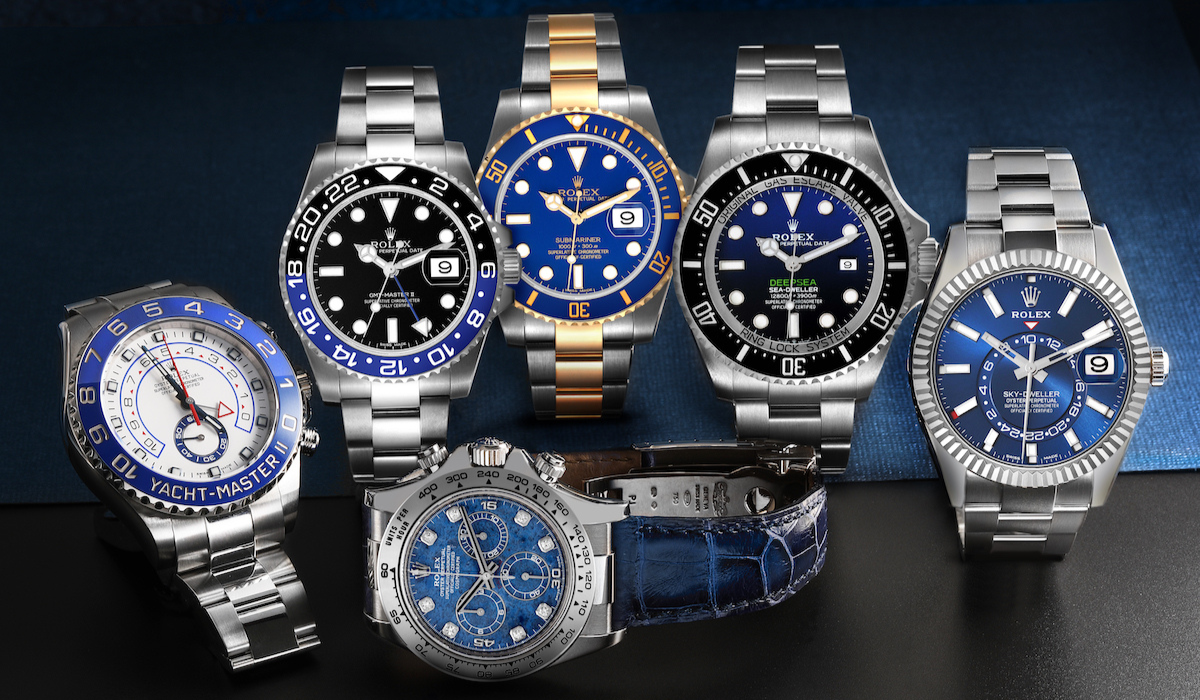
When embarking on the journey to acquire a luxury watch, it is crucial to consider not only the aesthetic and heritage aspects but also the scientific and engineering prowess that underpins these sophisticated timepieces. This guide provides an expert overview of what to look for from a technical standpoint, ensuring that your investment is both sound and satisfying.
Understanding the Mechanics: Movement Types and Their Engineering
Luxury watches are distinguished by their movements, which are the heart of their functionality. There are three primary types of movements to consider:
- Mechanical Movements: These are powered by a coiled spring and require manual winding. The engineering behind mechanical movements is quite intricate, involving gears, springs, and escapements finely tuned for precision. The appeal lies in the craftsmanship and the tactile interaction required by the wearer.
- Automatic Movements: Also known as self-winding, these movements harness the kinetic energy from the wearer’s natural wrist movements. They incorporate a rotor that moves in response to motion, winding the mainspring automatically. This involves complex engineering to ensure efficiency and durability.
- Quartz Movements: Powered by a battery and regulated by a quartz crystal, quartz movements are the most accurate. The crystal oscillates at a consistent frequency when a voltage is applied, providing precise timekeeping. From an engineering standpoint, these are less intricate mechanically but excel in reliability and accuracy. You can Buy Top Brand watches in the valid and authorize like: Tourneau, teddybaldassarre, gmtwatches or seriouswatches.
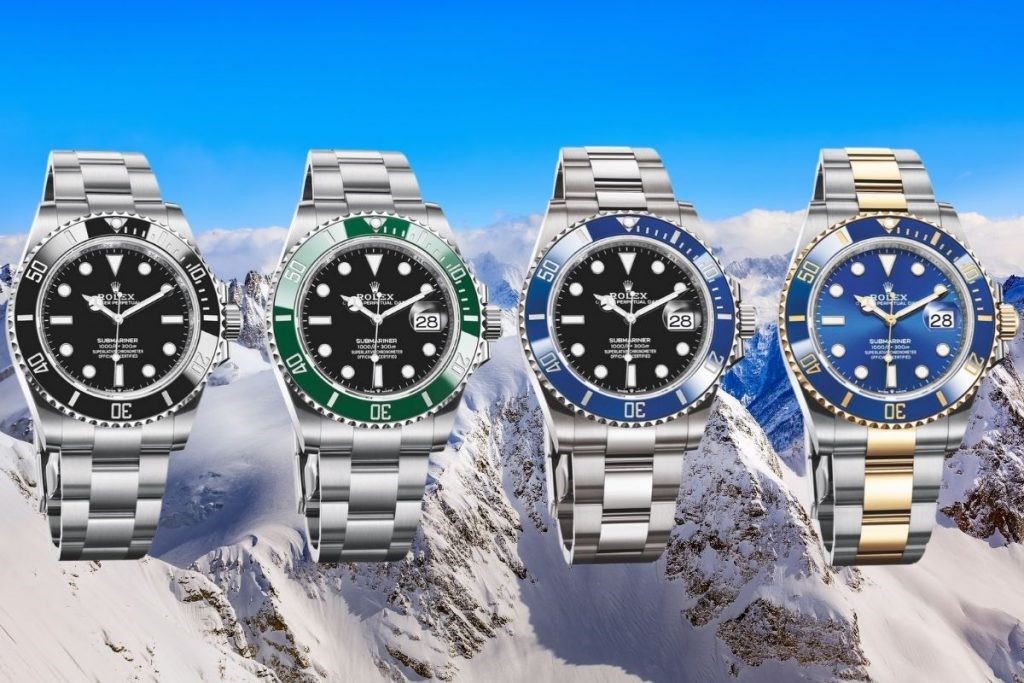
Material Science in Luxury Watches
The choice of materials in luxury watches impacts not only their appearance but also their functionality and durability:
- Stainless Steel: Known for its strength and corrosion resistance, stainless steel is a common choice for luxury watches. Alloys such as 316L and 904L stainless steel are particularly valued for their higher chromium content, which enhances corrosion resistance.
- Titanium: This metal is favored for its strength-to-weight ratio and hypoallergenic properties. Titanium watches are lighter than those made from stainless steel and exceptionally resistant to corrosion.
- Precious Metals: Gold, platinum, and palladium are often used for their aesthetic qualities as well as their chemical inertness, which ensures longevity and preservation of appearance.
- Ceramics and Composites: Advanced ceramics and carbon composites are used for their scratch resistance and lightweight properties, pushing the boundaries of traditional watchmaking materials.
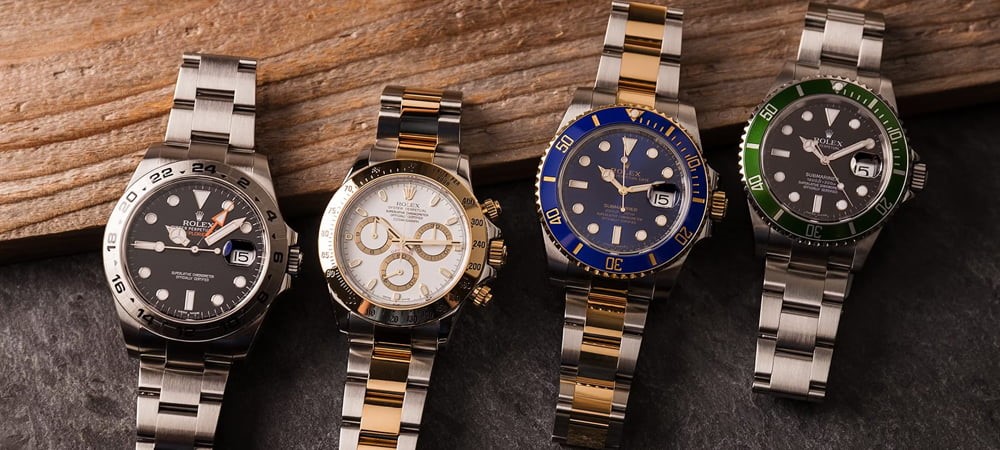
Key Features and Complications
Luxury watches often feature a range of complications that showcase the watchmaker’s skill and the scientific principles of watch engineering:
- Chronograph: A chronograph is a common complication that functions as a stopwatch combined with a display watch. The engineering complexity of a chronograph involves intricate cam and lever systems.
- Moon Phase: This complication displays the lunar cycle, which syncs with the actual phases of the moon. It requires precise gear ratios to accurately mimic the lunar orbit.
- Perpetual Calendar: Designed to display the date indefinitely, adjusting for different month lengths and leap years without manual correction, the perpetual calendar complication is a marvel of mechanical programming.
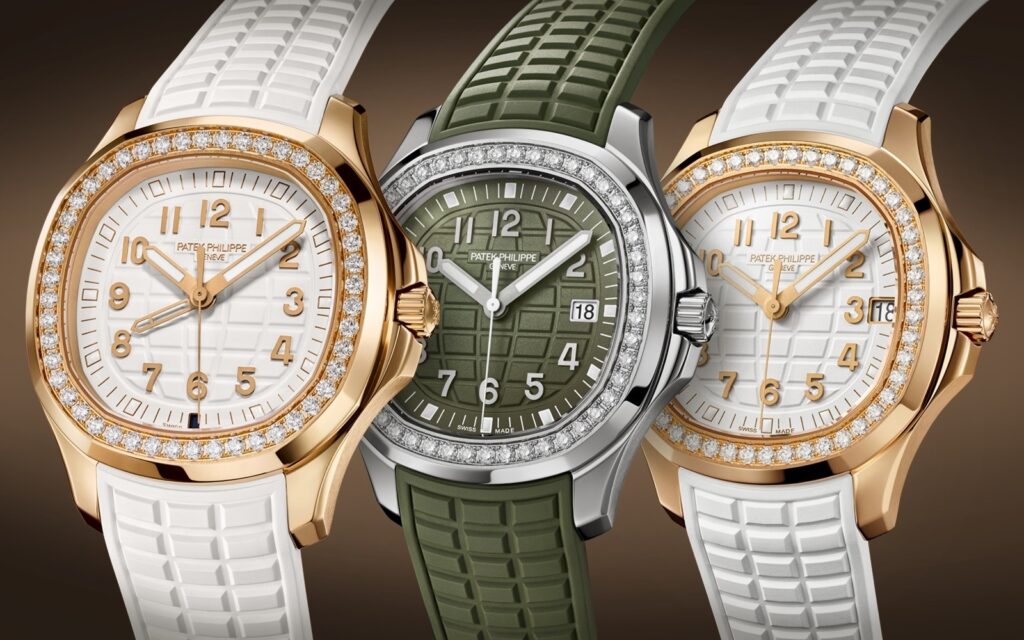
Choosing the Right Watch: Practical Considerations
When selecting a luxury watch, consider these practical aspects:
- Water Resistance: Depending on your lifestyle, you may require a watch with specific water resistance. This feature is critical, especially for sports watches, and involves robust engineering to prevent water ingress under pressure.
- Crystal Type: The watch face is protected by a crystal, usually made from sapphire, mineral, or acrylic. Sapphire crystals are preferred for their scratch resistance and clarity.
- Brand Heritage and Resale Value: Some brands are known not just for their craftsmanship but also for their historical significance, which can influence the watch’s appreciation over time.
Final Thoughts
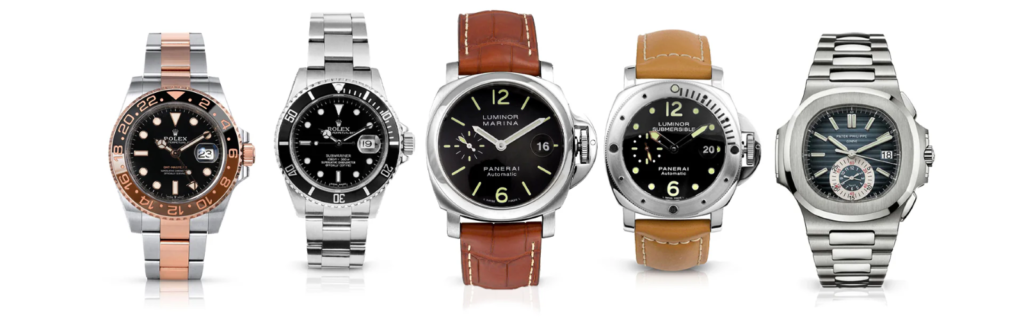
Investing in a luxury watch is a decision that combines aesthetic preferences with a deep appreciation for the scientific and engineering innovations that make each piece unique. By understanding the mechanical movements, material science, and engineering complexities involved, you can choose a watch that not only complements your style but also stands as a testament to human ingenuity in precision engineering. This luxury watches buying guide is your first step towards making an informed choice in the world of sophisticated timekeeping.
Apart from that, if you are interested to know about “Luxury Black Dresses That Make a Bold Statement ” then visit our “Fashion” category.