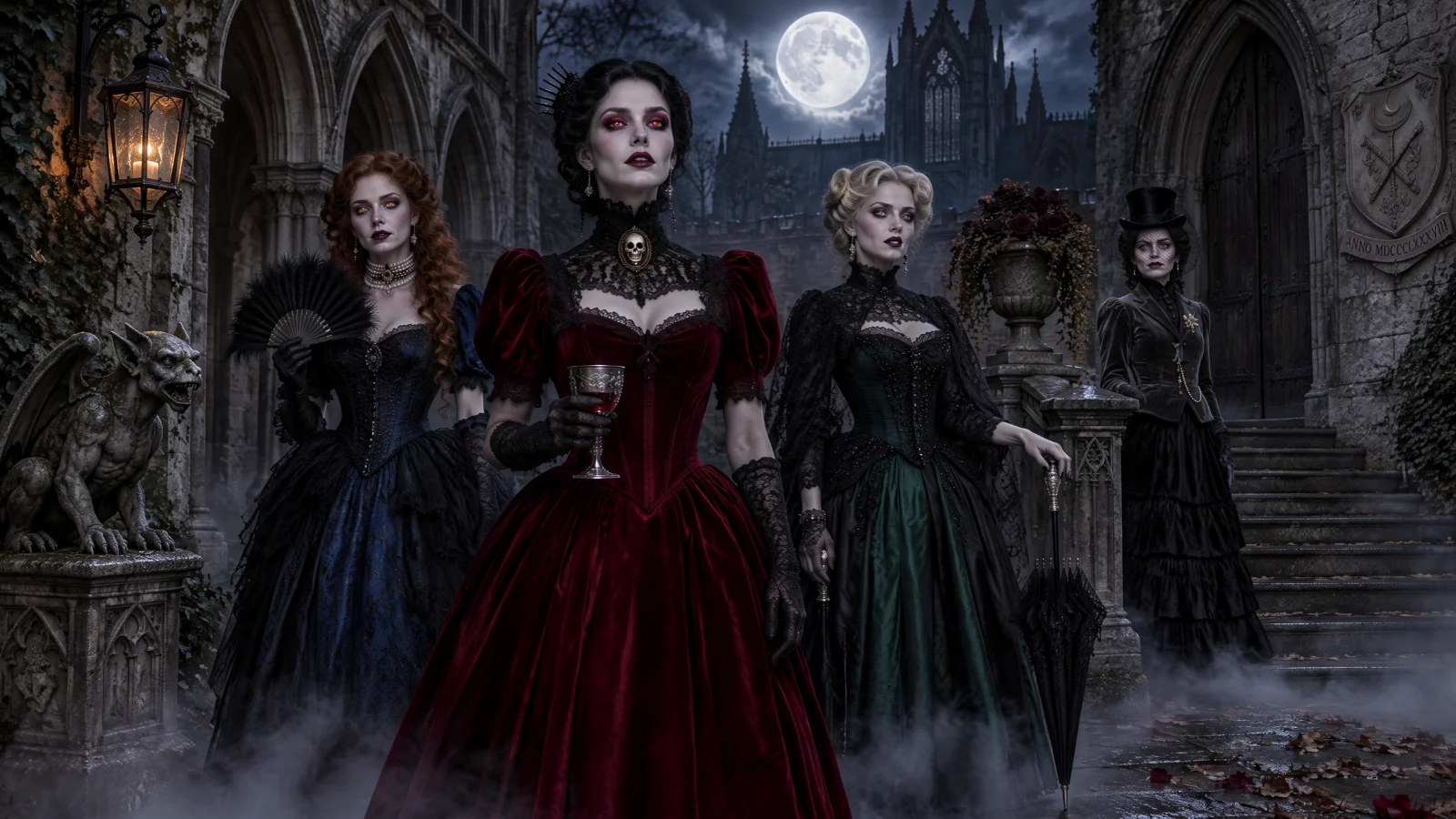
Female vampires have shaped horror long before modern audiences met Selene, Katherine Pierce, or Abigail. They have appeared as tragic outsiders, ruthless rulers, romantic figures, warriors, and even comedy characters. Their stories also reveal how the vampire archetype has changed across books, movies, and television.
| Quick fact | Details |
|---|---|
| Earliest major literary icon | Carmilla |
| Landmark classic Hollywood character | Countess Marya Zaleska |
| Famous 1980s example | Miriam Blaylock |
| Major action-horror character | Selene |
| Popular TV examples | Katherine Pierce and Nadja |
| Modern film example | Abigail |
| Common themes | Power, desire, immortality, identity, isolation |
| Best starting point | Choose by genre: Gothic, action, romance, comedy, or modern horror |
Direct answer: The most influential female vampires include Carmilla, Countess Marya Zaleska, Miriam Blaylock, Akasha, Claudia, Selene, and Katherine Pierce. Newer characters such as Nadja and Abigail show how the archetype keeps changing. Together, they span Gothic fiction, classic Hollywood, action horror, television comedy, romance, and modern supernatural cinema.
Why Female Vampires Became Horror Icons
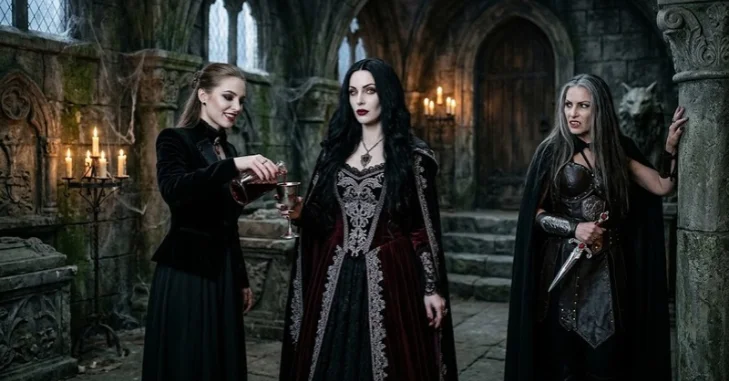
The Female Vampires has rarely functioned as a simple replacement for Dracula. Writers and filmmakers often use her to explore independence, forbidden desire, mortality, beauty, and control. That flexibility explains why the character survives every major shift in horror storytelling.
The tradition also predates many assumptions about modern vampire fiction. Sheridan Le Fanu published Carmilla in 1872, decades before many later screen icons appeared. Her influence helped establish the seductive and psychologically complicated undead woman still seen today.
Cinema expanded those ideas through changing social attitudes and new genres. The character moved from Gothic menace toward action hero, romantic lead, comic antihero, and sympathetic outsider. Each era created a different answer to what immortality might mean for a woman.
12 Female Vampires Worth Knowing
1. Carmilla, Carmilla
Carmilla remains one of the foundational women in vampire literature. Sheridan Le Fanu’s novella appeared in 1872, twenty-five years before Bram Stoker published Dracula. The character combines intimacy, secrecy, attraction, and predatory danger in ways later stories repeatedly revisited.
Her importance reaches beyond being an early example of the genre. Carmilla helped establish the connection between vampirism, forbidden attraction, and Gothic psychological tension. Modern supernatural fiction still borrows from that combination.
Readers interested in how fictional relationships evolve beyond official stories may also enjoy Magazism’s Draco and Hermione fandom explainer. Both topics show how audiences reinterpret familiar characters through changing cultural perspectives.
2. Countess Marya Zaleska, Dracula’s Daughter
Universal Pictures introduced Countess Marya Zaleska in the 1936 film Dracula’s Daughter. Gloria Holden plays a woman hoping to escape the supernatural condition connected with her father. That internal struggle separates her from villains who simply enjoy being monsters.
Marya wants freedom from her curse, which gives the story an unusually conflicted lead. Her struggle helped make the female vampire psychologically complex within early Hollywood horror. Universal’s own synopsis still centers that desire to escape Dracula’s influence.
3. Miriam Blaylock, The Hunger
Catherine Deneuve plays Miriam Blaylock in Tony Scott’s 1983 film The Hunger. Miriam is elegant, ancient, manipulative, and surrounded by an atmosphere of wealth and decay. David Bowie and Susan Sarandon complete the movie’s unusually stylish central triangle.
The British Film Institute describes the story around Miriam’s doomed vampiric relationships. Her appeal therefore comes from more than supernatural power or violence. She represents immortality as something beautiful, possessive, lonely, and ultimately destructive.
4. Claudia, Interview With the Vampire
Claudia creates one of the genre’s most disturbing questions about immortality. She becomes undead while physically remaining a child, although her mind continues developing over time. That contradiction turns eternal youth from a fantasy into a prison.
The character also changes how audiences think about age and power within supernatural stories. Claudia can be intelligent and dangerous while remaining trapped in an appearance she cannot outgrow. Her tragedy comes from understanding adulthood without ever being allowed to reach it physically.
5. Akasha, Queen of the Damned
Akasha arrives as an ancient and commanding figure within Anne Rice’s mythology. Aaliyah portrayed her in the 2002 movie Queen of the Damned. Her screen presence presents immortality through authority rather than victimhood.
She also represents a different scale of supernatural ambition. Akasha does not merely want to survive unnoticed among humans. She behaves like a ruler who expects the world around her to submit.
6. Santanico Pandemonium, From Dusk Till Dawn
Santanico Pandemonium transforms From Dusk Till Dawn from crime thriller into supernatural carnage. Salma Hayek’s famous performance initially presents the character through spectacle and seduction. The illusion disappears once the Titty Twister reveals its monstrous secret.
That transformation made Santanico one of 1990s horror cinema’s recognizable figures. She represents the sudden collision between attraction and danger that vampire stories have used for generations. Her scene also demonstrates how quickly the genre can shift expectations.
7. Selene, Underworld
Selene changed the visual language of twenty-first-century action horror. Kate Beckinsale plays the highly trained Death Dealer at the center of the Underworld franchise. The character fights with modern weapons while moving through an ancient supernatural conflict.
Her popularity helped move the undead woman from Gothic bedrooms toward large-scale action filmmaking. Selene is defined by combat ability, loyalty, betrayal, and personal choices. She therefore feels closer to an action protagonist than a traditional seductive monster.
Fans who enjoy powerful characters with complicated blood-based abilities can also read Magazism’s Marie Moreau character guide. That profile covers another modern character whose story connects supernatural power with identity and responsibility.
8. Alice Cullen, Twilight
Alice Cullen offers a lighter interpretation than many characters on this list. The Twilight series presents her as an important member of the Cullen family. Her personality, loyalty, and precognitive ability make her memorable without positioning her as the central villain.
Alice helped introduce a generation of young readers and moviegoers to a more family-oriented form of supernatural storytelling. The Cullen household treats immortality as a moral challenge rather than permission to hunt freely. That approach made vampire fiction accessible to a much wider mainstream audience.
9. Katherine Pierce, The Vampire Diaries
Katherine Pierce became one of The Vampire Diaries television universe’s defining antagonists. Nina Dobrev plays Katherine alongside Elena Gilbert, creating a direct visual link between two dramatically different characters. Katherine survives through manipulation, planning, charm, and an intense instinct for self-preservation.
Her unpredictability makes her more than a standard villain. She regularly shifts between enemy, survivor, manipulator, and reluctant ally depending on circumstances. That ability to disrupt alliances helped keep her important across multiple storylines.
10. Pam Swynford de Beaufort, True Blood
Pam brings dry humor and sharp hostility to HBO’s True Blood. Kristin Bauer van Straten plays her as a stylish and frequently ruthless member of the show’s supernatural society. She often treats human expectations as irritating inconveniences rather than moral rules.
That attitude gives Pam a distinctive voice among television’s undead characters. She can be cruel, loyal, funny, and surprisingly vulnerable without becoming sentimental. Her appeal comes from the contrast between polished appearance and brutal honesty.
11. Nadja, What We Do in the Shadows
Nadja proves that immortality can be ridiculous as well as frightening. Natasia Demetriou plays her in FX’s What We Do in the Shadows, which follows supernatural roommates living on Staten Island. FX describes Nadja as a former peasant from Antipaxos who became an immortal creature.
The comedy works because Nadja still possesses familiar supernatural appetites and enormous self-confidence. Yet rent, relationships, jobs, grudges, and household arguments constantly undermine her dramatic self-image. She turns centuries of Gothic mythology into everyday comedy without losing the monster underneath.
For more movie, television, celebrity, and fictional-character coverage, readers can browse Magazism’s Entertainment section. It collects the site’s current pop-culture explainers and character-focused features.
12. Abigail, Abigail
Abigail gives the child-vampire concept a modern horror-comedy twist. The 2024 film initially places her in the role of a seemingly helpless kidnapped ballerina. That expectation becomes part of the trap facing the criminals who believe they control the situation.
Her appeal depends on the contrast between appearance and capability. Ballet movements, youthful presentation, and brutal violence occupy the same character. That combination helped place Abigail among the most recognizable recent additions to the genre.
How the Archetype Changed Over Time
Early examples frequently connected supernatural women with repression, attraction, and social anxiety. Characters such as Carmilla and Marya Zaleska were often defined by secrets and forbidden impulses. Their stories treated vampirism as both external danger and internal conflict.
Later movies increasingly gave these characters direct control over their circumstances. Miriam commands lovers, Akasha claims royal authority, and Selene operates as an armed protagonist. Modern television then expanded the formula through humor, romance, family drama, and long-form character development.
Recent stories can therefore draw from more than a century of established ideas. A new character might be terrifying, funny, heroic, tragic, romantic, or several of those things together. That range explains why female vampires remain unusually adaptable pop-culture figures.
Which Character Should You Start With?
Your best starting point depends on what type of story you enjoy. Gothic readers should begin with Carmilla, while classic-horror fans can try Dracula’s Daughter. Viewers wanting stylish adult horror should consider The Hunger.
Action fans will probably find Selene the easiest entry point. Teen supernatural drama fans can choose Alice Cullen or Katherine Pierce, while comedy viewers should start with Nadja. Abigail offers a newer choice for audiences who want horror mixed with violent humor.
| If you like | Start with |
|---|---|
| Gothic literature | Carmilla |
| Classic Hollywood horror | Marya Zaleska |
| Stylish 1980s horror | Miriam Blaylock |
| Action | Selene |
| Teen supernatural drama | Katherine Pierce |
| Dark comedy | Nadja |
| Modern horror comedy | Abigail |
Why These Characters Still Matter
The strongest undead women do more than copy the traits associated with Dracula. Their stories use immortality to examine control, loneliness, desire, family, identity, and survival. Those themes can work in almost any period or genre.
Their cultural role has also expanded as audiences expect women to occupy more varied positions within supernatural stories. They can now be protagonists, villains, parents, rulers, comedians, warriors, or emotionally conflicted outsiders. That variety makes the archetype far harder to reduce to one stereotype.
The next major screen icon will probably look different from the characters listed here. That change would follow the history of the genre rather than break it. Reinvention has always been one of the character’s greatest strengths.
What to Read Next
These twelve characters offer a strong starting point, but the genre contains many more worth discovering. Try one title from a period or format you haven’t explored before. Then visit Magazism’s entertainment coverage for more character histories, television explainers, and pop-culture features.
Frequently Asked Questions About Female Vampires
Who is the most famous female vampire?
Carmilla is among the most historically important examples because her story appeared in 1872. Modern audiences may recognize Selene, Katherine Pierce, Alice Cullen, Claudia, or Nadja more quickly. Fame therefore depends heavily on generation and preferred medium.
Who was the first female vampire in fiction?
Several traditions contain earlier supernatural women with vampire-like qualities, so a single absolute first is difficult to establish. Carmilla is one of the earliest major literary examples in English-language vampire fiction. Her 1872 novella became especially influential on later Gothic storytelling.
Who was the first major female vampire in Hollywood?
Countess Marya Zaleska is a landmark example from Universal’s Dracula’s Daughter, released in 1936. Gloria Holden plays the title character as someone struggling against her supernatural condition. The film placed an undead woman at the center of a major studio horror production.
Are all female vampires villains?
No, modern stories give them far more varied roles. Selene functions largely as an action protagonist, while Alice Cullen belongs to a family resisting predatory behavior. Other characters shift between hero, antihero, antagonist, and comic lead.
Why are female vampire characters so popular?
The concept combines immortality with questions about power, beauty, freedom, isolation, and danger. Writers can adapt those ideas to romance, horror, action, comedy, or drama. That flexibility keeps the archetype relevant even when audience tastes change.