
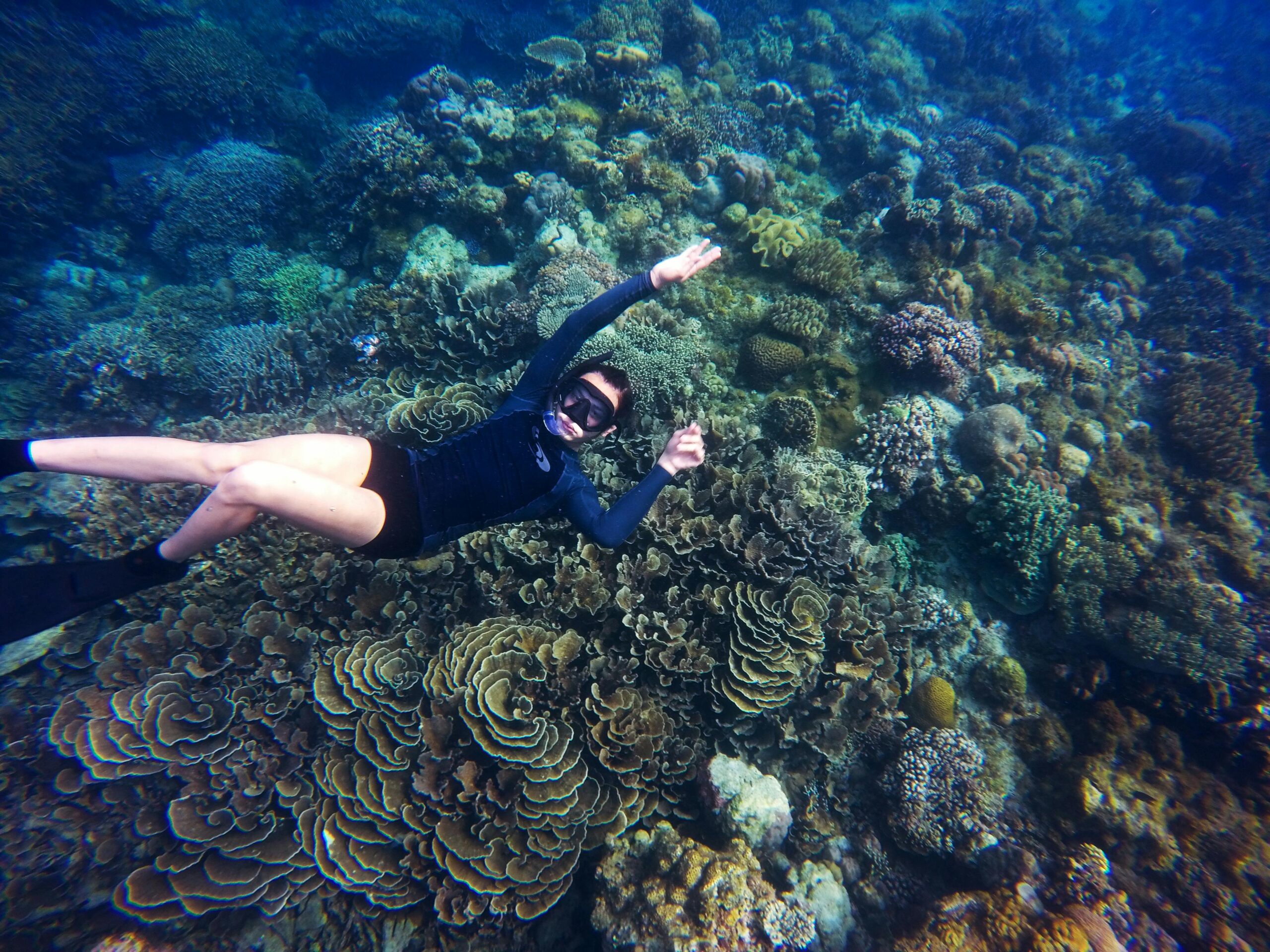
If you’re dreaming of turquoise waters, vibrant coral reefs, and unforgettable encounters with marine life, look no further than the Turks and Caicos Islands. These tropical gems in the Atlantic Ocean are among the top destinations in the world for snorkelling. With pristine conditions year-round and some of the most diverse underwater ecosystems in the Caribbean, Turks and Caicos snorkelling offers a window into a world brimming with colour, life, and wonder.
Whether you’re a seasoned snorkeller or dipping your mask into the sea for the first time, Turks and Caicos delivers a magical experience unlike any other.
Why Turks and Caicos is a Snorkelling Haven
Turks and Caicos boasts one of the largest barrier reef systems on Earth, stretching over 340 miles. These coral reefs serve as a sanctuary for thousands of marine species, from colourful reef fish to graceful rays and slow-moving sea turtles. The islands’ shallow waters, calm seas, and remarkable visibility—often exceeding 100 feet—make it a snorkelling paradise for visitors of all experience levels.
The geography of the islands also plays a major role. Sheltered bays, accessible beach reefs, and close-to-shore drop-offs mean that you don’t need to travel far to find adventure. And because the islands are less commercialized than other Caribbean destinations, the marine environments remain healthy and teeming with life.
Top Snorkelling Spots in Turks and Caicos
Whether you’re based on Providenciales, Grand Turk, or one of the smaller cays, there are incredible snorkelling spots around nearly every corner.
Bight Reef (Coral Gardens) – Providenciales
Located just steps from Grace Bay Beach, Bight Reef is one of the most popular and easily accessible snorkelling sites. It’s an excellent choice for beginners and families. Snorkellers here can encounter green sea turtles, spotted trunkfish, blue tangs, and even the occasional stingray. The reef is marked with buoys and offers shallow coral beds perfect for leisurely exploration.
Smith’s Reef – Providenciales
A short drive from Bight Reef, Smith’s Reef is a more expansive and diverse site. It offers multiple entry points and a mix of shallow and deeper areas, attracting a wide variety of fish and invertebrates. Expect to see lionfish, starfish, lobsters, and colourful corals. Due to its size and complexity, it’s worth visiting more than once.
Malcolm’s Road Beach – Providenciales
For a more rugged and off-the-beaten-path experience, Malcolm’s Road Beach provides a wilder underwater terrain. The reef here is part of the Northwest Point Marine National Park and tends to be less crowded. The currents can be stronger, so it’s better suited for experienced snorkellers—but the rewards are great, including larger schools of fish and pristine coral walls.
Grand Turk Wall
Grand Turk is known for its spectacular wall diving, but even snorkellers can enjoy parts of this dramatic underwater drop-off. Just offshore, the seabed plunges thousands of feet, providing a vertical garden of coral and sponges. Snorkellers along the edge can spot barracudas, turtles, and even dolphins or humpback whales during migration season.
Gibbs Cay
Located a short boat ride from Grand Turk, Gibbs Cay is famous for its shallow waters and resident stingrays. These friendly creatures often swim right up to snorkellers in the clear, waist-deep water. It’s a unique, up-close experience with some of the ocean’s most graceful gliders.
Marine Life: What You’ll See
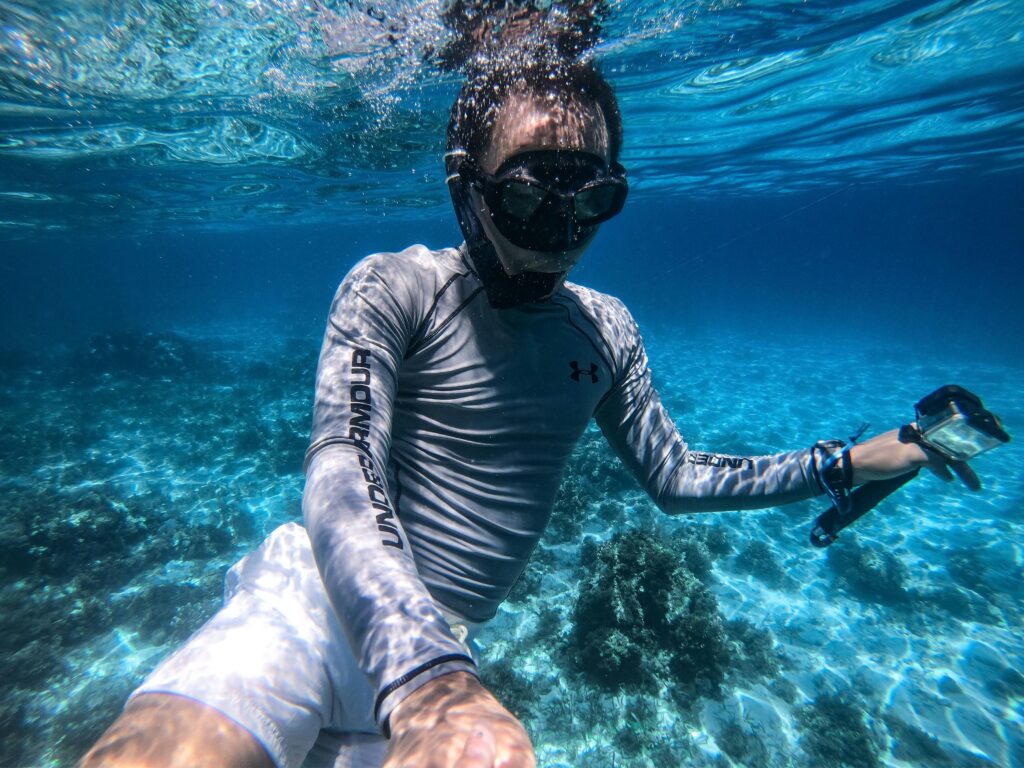
The waters surrounding Turks and Caicos are a biodiversity hotspot. On any given snorkelling trip, you might encounter:
- Green and Hawksbill Turtles – Often seen grazing on seagrass or cruising past coral heads.
- Southern Stingrays and Eagle Rays – Elegant and curious, especially in shallower areas.
- Trumpetfish, Parrotfish, and Angelfish – Colourful and commonly seen darting through coral branches.
- Spiny Lobsters and Queen Conchs – Hidden among rocks and sandy patches.
- Reef Sharks and Nurse Sharks – Occasionally spotted on deeper snorkels, typically docile and uninterested in humans.
The reefs themselves are living organisms, too. Hard and soft corals form intricate structures that support the entire ecosystem—brain coral, sea fans, and elkhorn coral are just a few of the species you’ll swim past.
Ideal Time to Snorkel
Turks and Caicos enjoys a tropical climate, with average water temperatures ranging from 78°F to 84°F (25°C to 29°C) year-round. That said, the best snorkelling conditions are typically between November and May when the seas are calmest and visibility is at its peak.
During the summer months, water temperatures rise and the marine life becomes even more active, though there’s also a higher chance of tropical storms. Plan your trip accordingly and keep an eye on local weather forecasts for optimal snorkelling days.
How to Prepare for a Snorkelling Trip
Even though snorkelling is relatively easy and low-risk, a bit of preparation can ensure a safe and memorable experience.
- Use Reef-Safe Sunscreen: Traditional sunscreens contain chemicals that damage coral reefs. Choose mineral-based, eco-friendly formulas.
- Bring Proper Gear: A well-fitting mask, snorkel, and fins make all the difference. If you’re snorkelling often, consider investing in your own equipment.
- Stay Hydrated: It’s easy to forget to drink water while swimming. Dehydration can sneak up quickly in the sun and saltwater.
- Practice Safety: Never snorkel alone, and be aware of your surroundings. Stay clear of boat traffic and always check local currents.
Beach vs. Boat Snorkelling
There are two primary ways to snorkel in Turks and Caicos: directly from the beach, or by taking a boat to offshore reefs.
- Beach Snorkelling is ideal for casual outings and beginner-level adventures. Sites like Bight Reef and Smith’s Reef are accessible from shore and offer plenty to see.
- Boat Snorkelling allows access to remote locations where marine life is more abundant and reefs are healthier due to less human interaction. It’s ideal for those seeking variety and less crowded spots.
Either way, the reefs are always stunning—and the memories you’ll make are sure to last a lifetime.
Protecting Paradise: Responsible Snorkelling
Turks and Caicos is fortunate to have some of the healthiest reefs in the Caribbean, but like all ecosystems, they are vulnerable. Visitors can help preserve this underwater wonderland by:
- Avoiding contact with coral.
- Not feeding fish or marine animals.
- Collecting only memories (leave shells and sea life undisturbed).
- Supporting local conservation efforts and eco-conscious operators.
Plan Your Snorkelling Escape
Whether you’re looking for relaxation, exploration, or a bit of both, Turks and Caicos snorkelling delivers on all fronts. The combination of stunning natural beauty, warm waters, and rich marine life makes this destination one of the best places in the world to snorkel.
So pack your swimsuit, grab your mask, and get ready to explore a world where every breath reveals something beautiful. Discover why more travellers are diving into this unforgettable Caribbean experience—one snorkel at a time.
For those interested in the technology behind the stunning underwater landscapes of Turks and Caicos, Exploring the Power of OpenWRT Mesh and WiFi 6 for Wireless Routers offers insights into the wireless infrastructure that supports these pristine conditions.